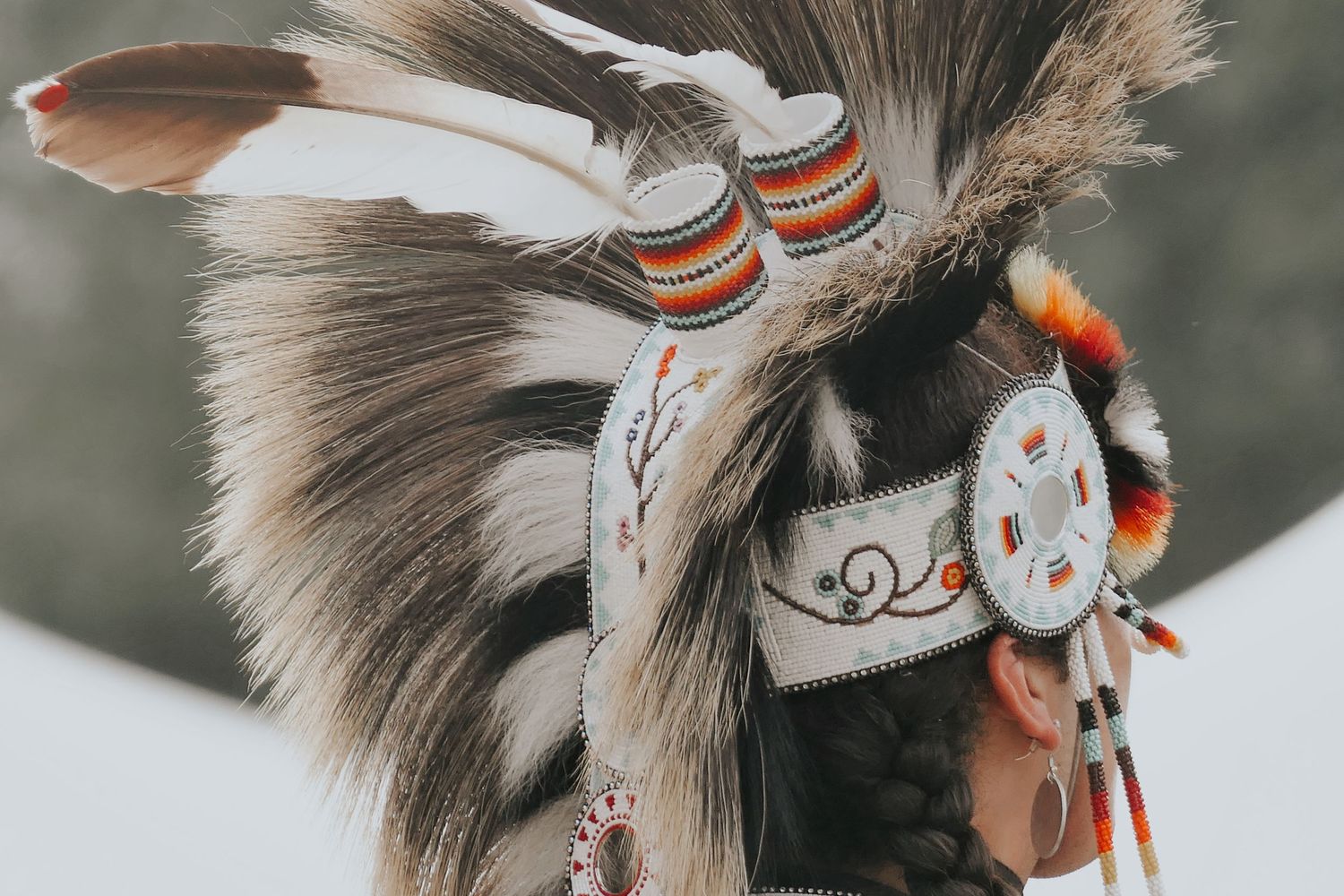
A celebration of Native American & Canadian First Nation culture in which people from diverse indigenous nations gather for the purpose of dancing, singing, and honouring the traditions of their ancestors.
The term powwow, which derives from a curing ritual, originated in one of the Algonquian nations of the Northeast Indians.
[During the early 1800s, traveling medicine shows selling cure-all tonics used “powwow” to describe their wares. These vendors often employed local Indians to dance for the entertainment of potential customers, who soon applied the term to the exhibition dancing as well as to the patent medicines. The name took hold, and Indians themselves added to it their nomenclature to describe dancing for an audience in an exhibition.]
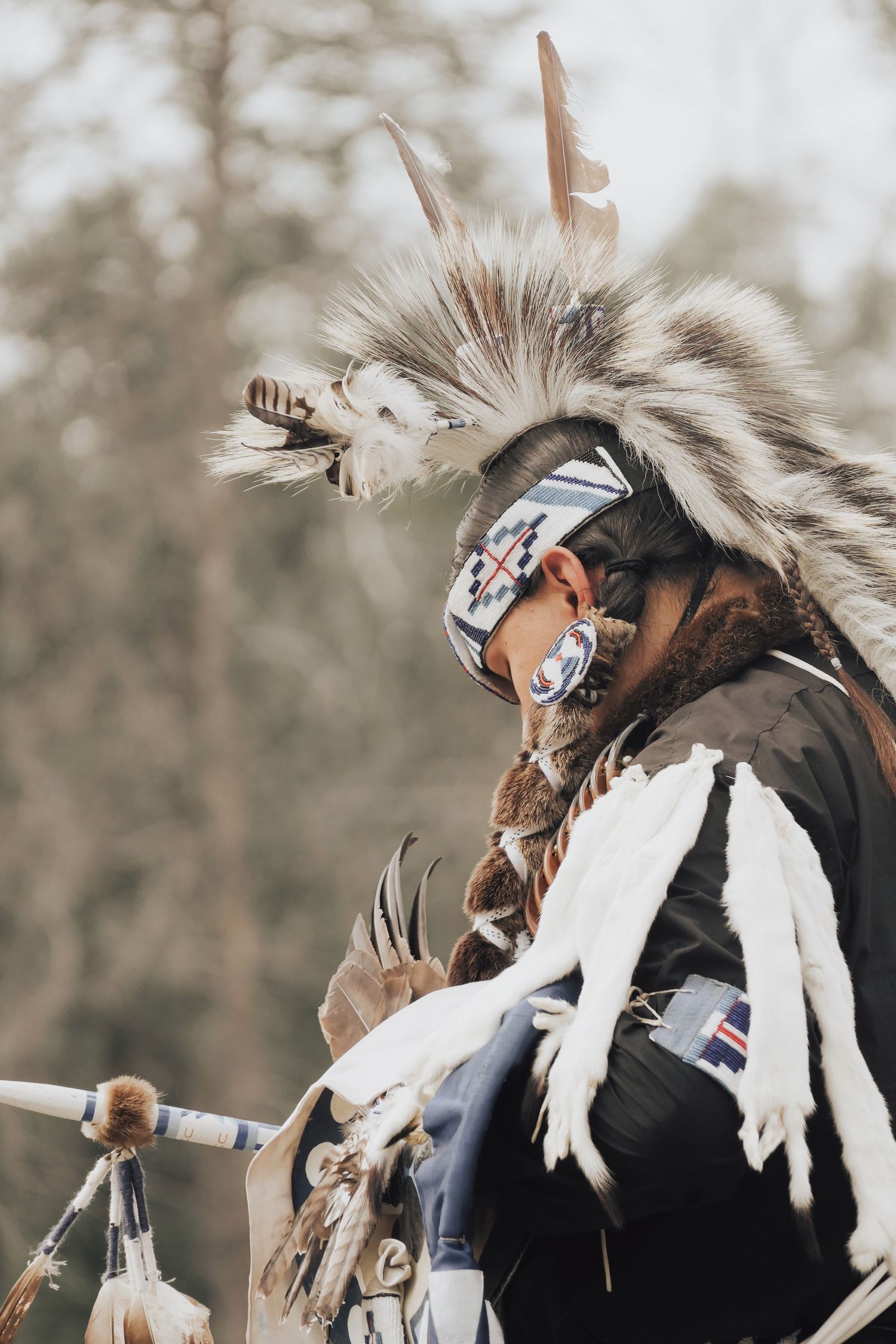
Today powwows take place over a period of one to four days and often draw dancers, singers, artists, and traders from hundreds of miles away. Spectators (including non-Indigenous) are welcome to attend, as participants seek to share the positive aspects of their culture with outsiders.
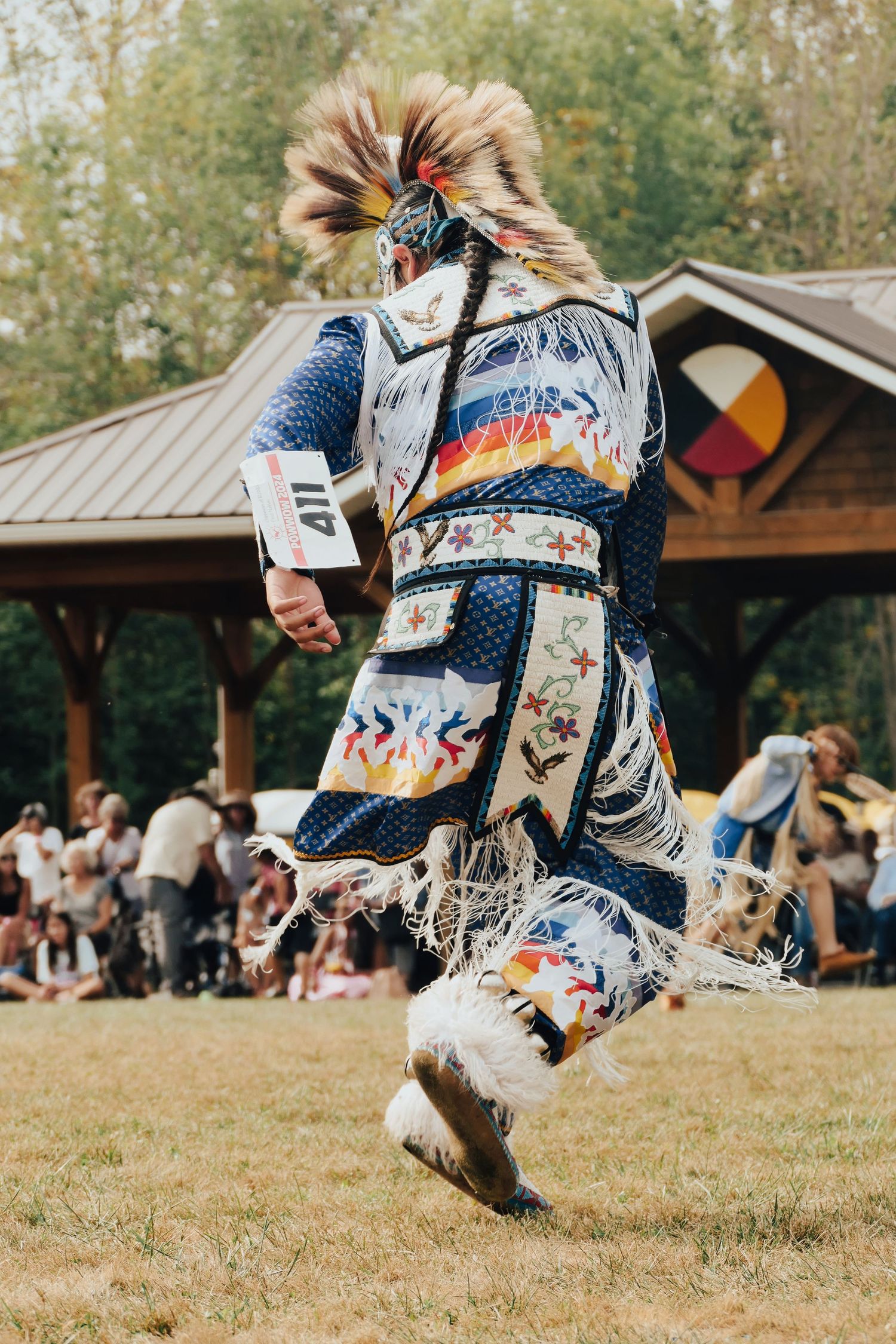
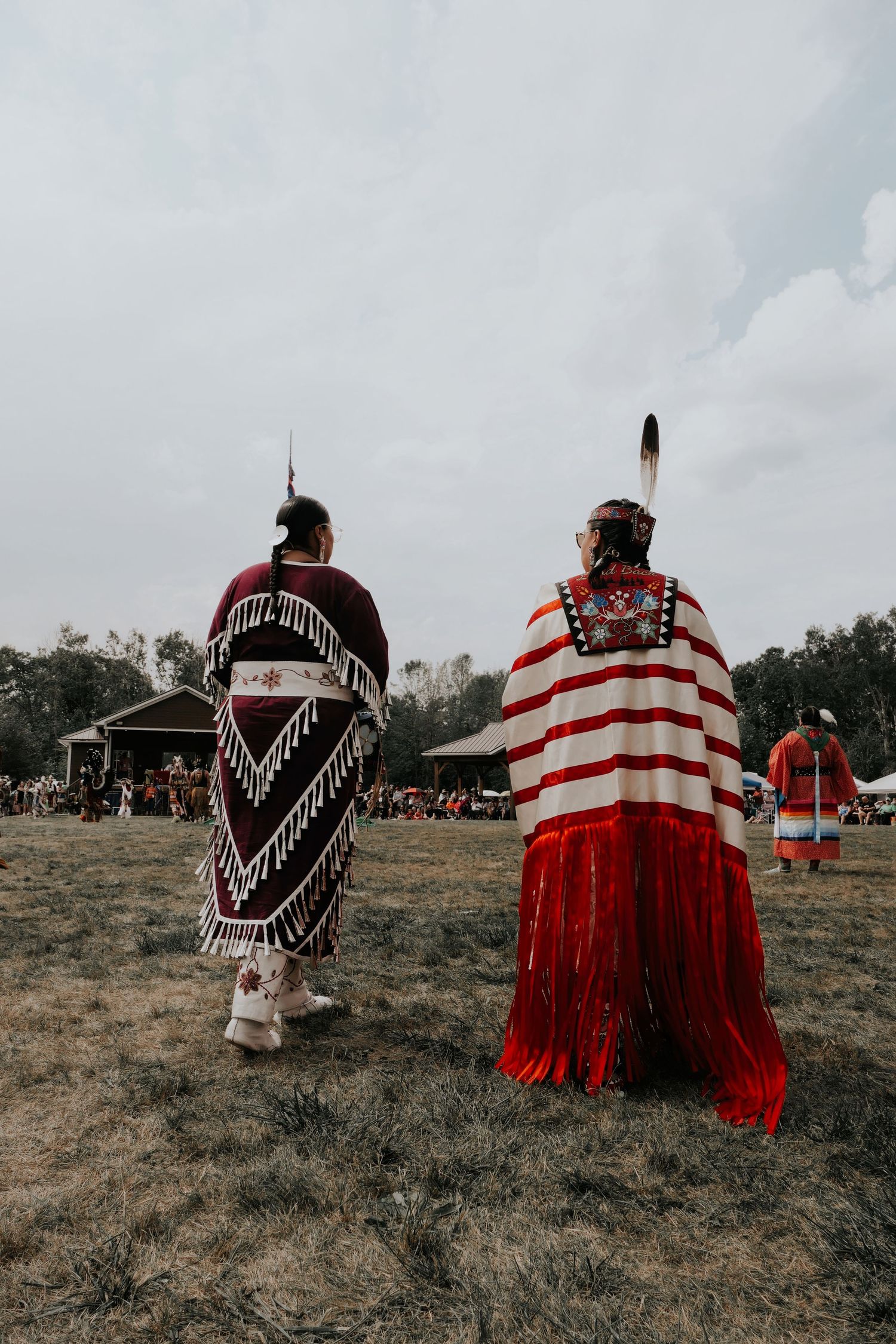
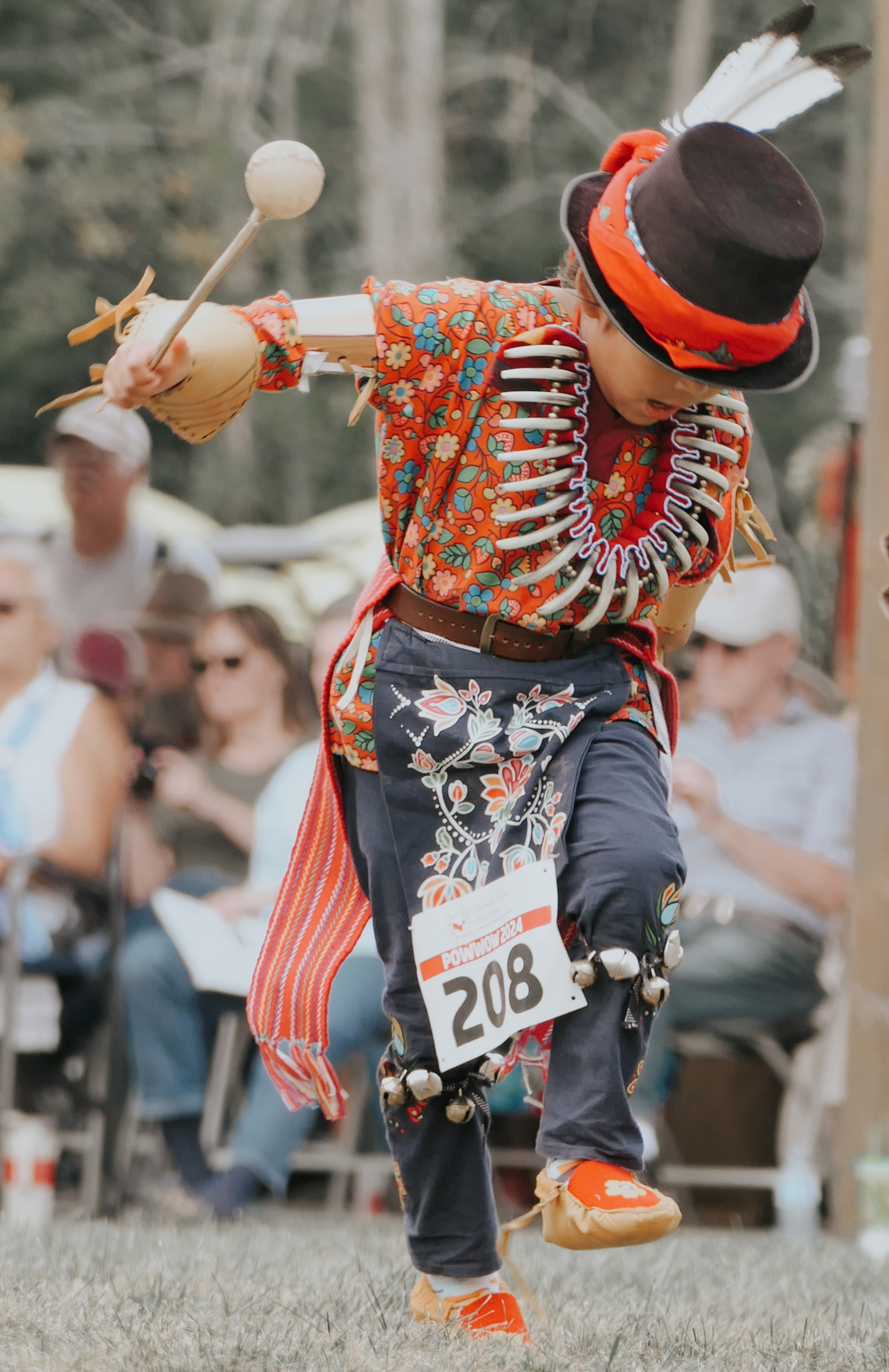
Gatherings similar to powwows existed in most native communities long before the advent of European settlement. Dances were usually associated with one of four occasions: religious ceremonies, homecoming celebrations honouring successful war parties, celebrations of new or reaffirmed alliances, and events sponsored by various warrior societies or extended family groups.
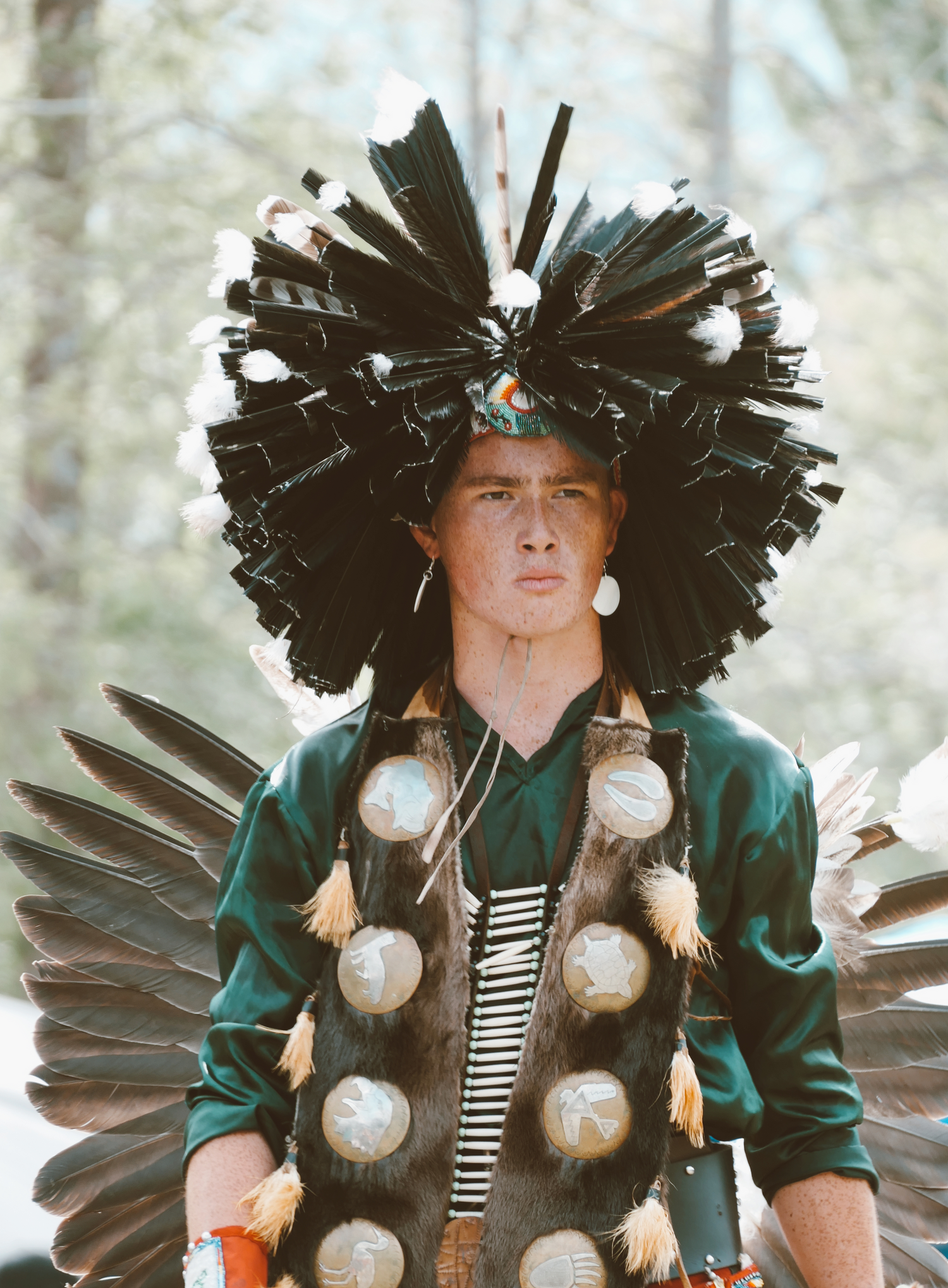
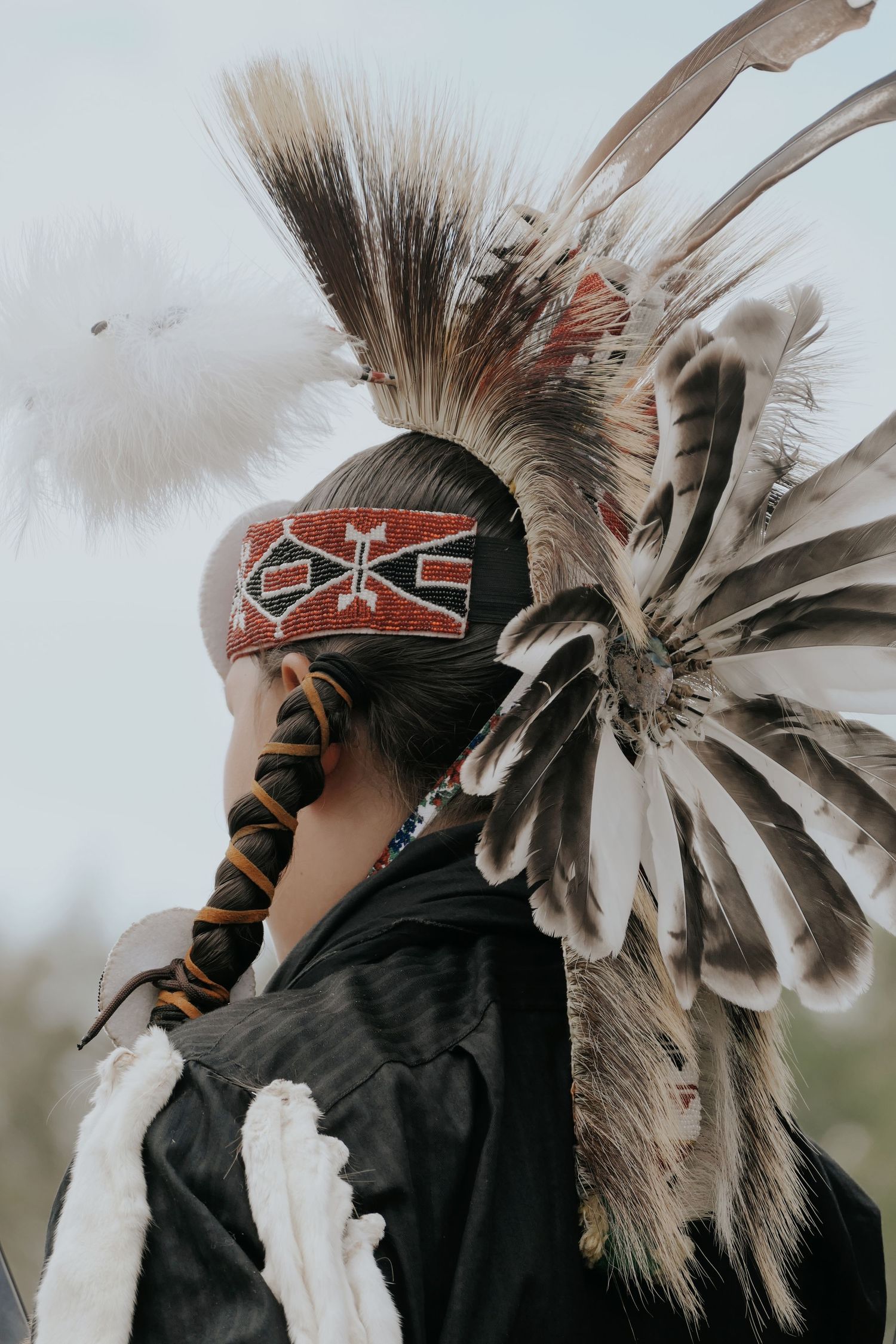
Powwow regalia is a powerful mode of self-expression that blends historical and modern dress. Worn with responsibility and pride, the clothing represents community traditions and personal tastes. A dancer's powwow outfit is a collection of items that reflect their lives, interests, and family background.
https://www.ramafirstnation.ca/
To love and support something,
you need to erase stereotypes, read and study it.
Culture, history, tradition, resilience.
Rubina W. Paradisi